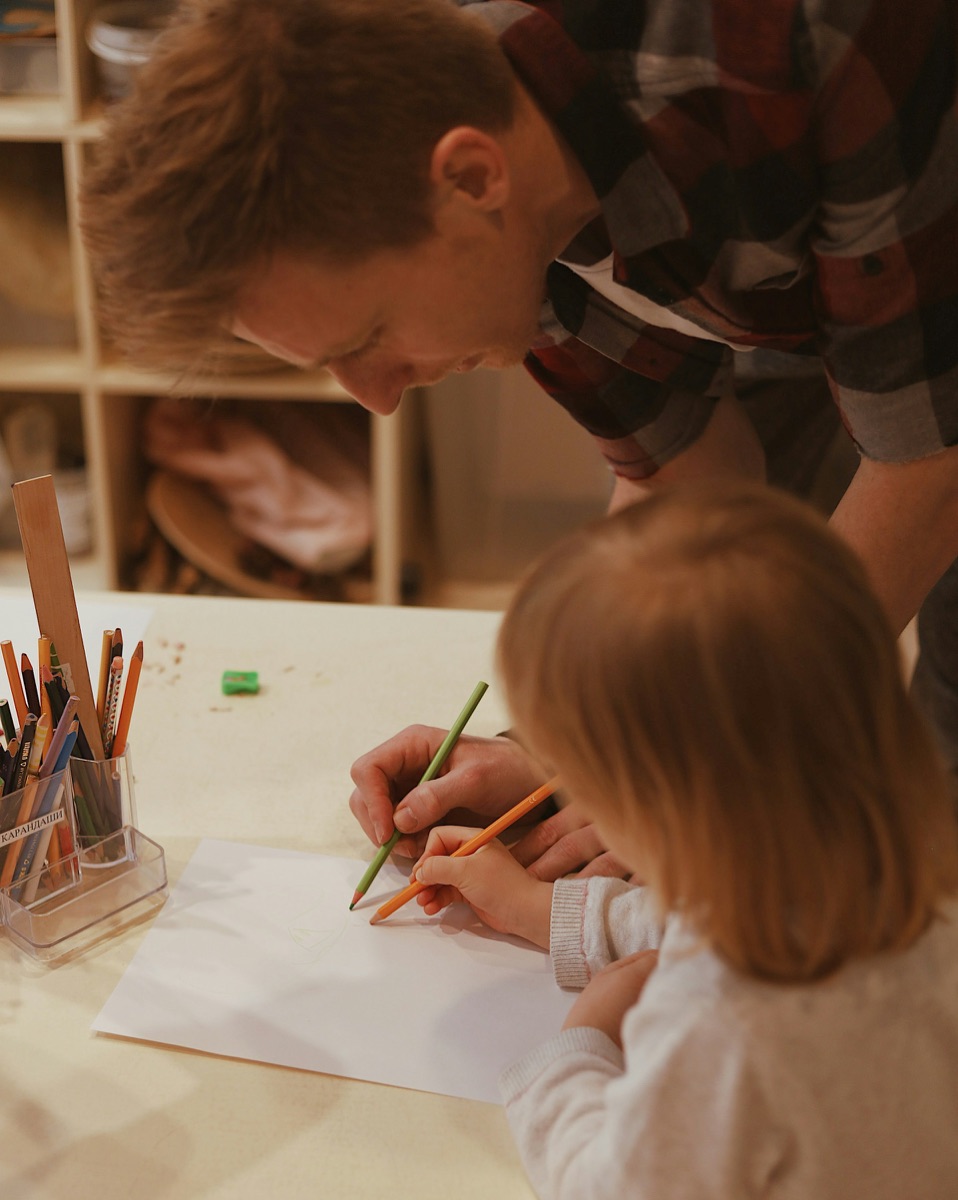
One of the most valuable benefits of childcare is the role it plays in supporting children’s social development. From learning how to share and communicate, to building friendships and managing emotions, the early years are a critical time for developing social skills that will last a lifetime.
At Altona Early Education, we create a nurturing, inclusive environment where children feel safe to explore relationships, express themselves, and grow socially at their own pace.
Why Social Development Matters in Early Childhood
Social development helps children understand how to interact with others and navigate the world around them. Strong social skills support children to:
- Build positive relationships with peers and adults
- Develop empathy and understanding for others
- Communicate their needs and feelings effectively
- Learn cooperation, patience, and turn-taking
- Feel confident in group settings such as kinder and school
These skills are essential not only for early learning environments but also for a smooth transition into primary school.
How Childcare Encourages Social Skills
Childcare settings provide daily opportunities for children to interact with others in meaningful and age-appropriate ways. Some of the key ways social development is supported include:
- Learning Through Play
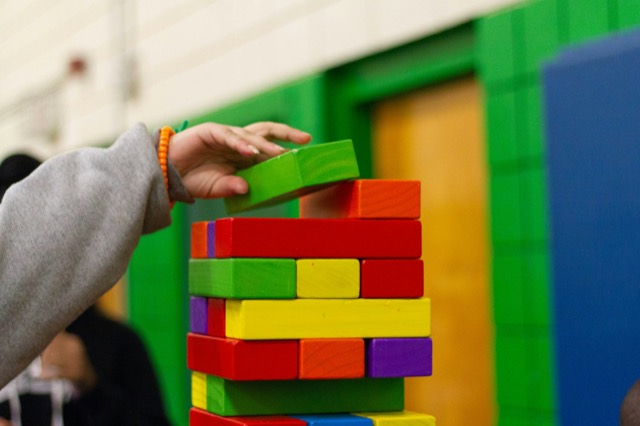
Play-based learning allows children to practise social skills naturally. Through group play, children learn how to negotiate, collaborate, and problem-solve together. - Small Group Activities
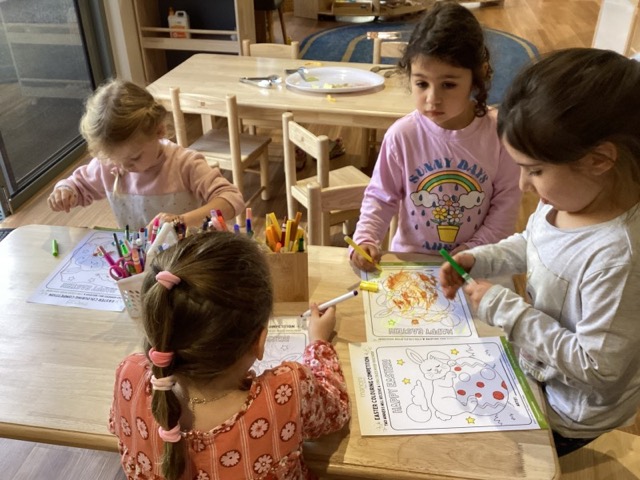
Activities such as story time, music, art, and group games help children become comfortable participating in shared experiences while learning to listen and follow instructions. - Building Friendships
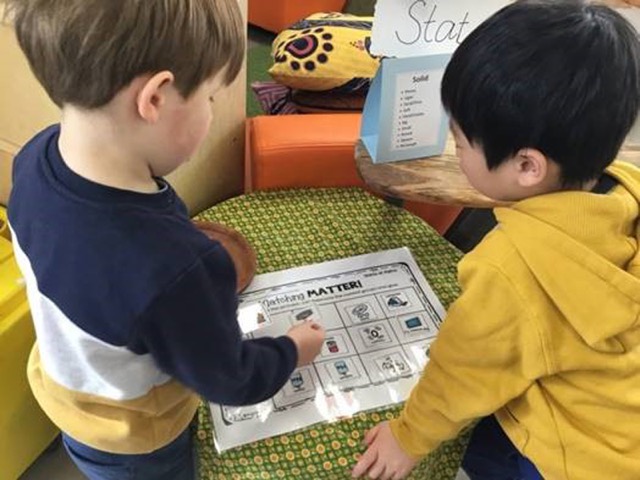
Spending regular time with the same peers helps children form friendships, understand different personalities, and develop a sense of belonging. - Guidance From Educators
Our educators model positive behaviour and guide children through social challenges, such as resolving conflicts, expressing emotions appropriately, and understanding others’ perspectives. - Encouraging Independence
Childcare supports children to make choices, speak up for themselves, and take responsibility for small tasks — all of which build confidence and social awareness.
Social Skills Children Develop in Childcare
While every child develops at their own pace, childcare helps nurture a wide range of social skills, including:
- Sharing and taking turns
- Expressing emotions with words
- Listening and responding to others
Cooperating in group settings - Respecting boundaries and routines
- Developing resilience when challenges arise
These skills form the foundation for positive learning experiences as children progress through kinder and into school.
Supporting Social Development at Home
Families play an important role in reinforcing social skills learned in childcare. Simple ways to support your child at home include:
- Talking about their day and friendships
- Encouraging playdates or group activities
- Reading books about emotions and relationships
- Praising positive social behaviours
- Helping children name and manage their feelings
When childcare and home work together, children benefit from consistent support and encouragement.
How Altona Early Education Supports Social Growth
At Altona Early Education, we prioritise social and emotional development by:
- Creating warm, respectful educator–child relationships
- Encouraging inclusive, cooperative play
- Supporting children through transitions and changes
- Providing a safe space for children to express themselves
- Working closely with families to support each child’s needs
Our goal is to help children grow into confident, kind, and socially capable learners.
Want to Learn More?
If you’d like to know more about how our programs support your child’s social development, we’d love to chat.
Contact Altona Early Education today to speak with our friendly team or book a tour of our centre.