

In today’s digital world, screens are everywhere, from phones and tablets to TVs and computers.
While technology can be educational and entertaining, parents often wonder: How much screen time is healthy for young children?
At Altona Early Education, we understand that screens are a part of modern life, but we also know that balance is key. Too much screen time can impact a child’s sleep, social development, and creativity. This guide helps parents make informed choices about how their children engage with screens at home and in childcare.
Understanding Screen Time for Different Ages
Experts such as the Australian Department of Health and the World Health Organization (WHO) recommend age-appropriate limits for screen use:
- Under 2 years old: No regular screen time, except for occasional video calls with family.
- Ages 2–5 years: Up to 1 hour per day of high-quality, educational content.
- Ages 5 and older: Limit screen time to ensure plenty of active play, social time, and rest.
These are general guidelines, but every family’s situation is unique. The goal isn’t to ban screens altogether, it’s to help children engage in meaningful ways that support learning and wellbeing.
The Benefits of Limited, Quality Screen Time
When used intentionally, screen time can offer developmental benefits for young children. For example:
- Educational content: Interactive shows or games that teach numbers, letters, and problem-solving
- Family connection: Video calls with grandparents or relatives
- Creativity: Drawing, music-making, or storytelling apps designed for early learners
The key is to ensure screen use is purposeful, age-appropriate, and balanced with plenty of real-world experiences.
The Risks of Too Much Screen Time
Excessive or unmonitored screen time can interfere with a child’s healthy development. Common issues include:
- Reduced physical activity, leading to lower fitness and energy levels
- Delayed speech or social skills, if screens replace real conversation and play
- Sleep disruption, especially if screens are used before bedtime
- Shorter attention spans due to overstimulation or fast-paced content
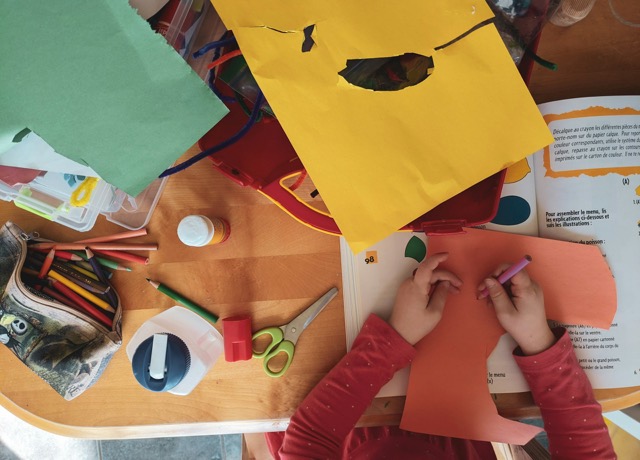
Children learn best through active, hands-on experiences like building blocks, outdoor play, art, and interaction with others. These activities help develop creativity, focus, and emotional regulation in ways screens cannot replace.
Tips for Managing Screen Time at Home
Finding a healthy balance is all about routine and moderation. Here are some practical tips for families:
✅ Set clear limits — Establish daily screen time rules and stick to them.
✅ Choose quality content — Look for educational, slow-paced, and age-appropriate programs.
✅ Co-view when possible — Watch with your child and discuss what they’re seeing to make it interactive.
✅ Avoid screens before bedtime — Turn off devices at least an hour before sleep to improve rest.
✅ Encourage screen-free zones — Keep mealtimes, bedrooms, and family time device-free.
✅ Lead by example — Children mirror adult habits, so try to model balanced screen use yourself.

How Childcare Centres Support Screen-Free Learning
At Altona Early Education, we prioritise hands-on, play-based experiences that nurture every area of a child’s development without relying on screens. Our programs encourage children to learn through exploration, creativity, and social interaction.
By keeping our environments screen-free, children build stronger communication skills, engage in imaginative play, and form meaningful friendships with peers.
If you’d like guidance on managing screen time at home or want to learn more about our approach to technology-free early learning, speak with our team at Altona Early Education.
Contact us today to discuss how we can support your child’s healthy development and balanced learning journey.